
In today’s digital-first economy, your website is more than just an online presence—it is a core business asset. Web Development Services play a critical role in helping businesses transform ideas into scalable digital products that generate revenue, build trust, and improve customer experience.Whether you’re a startup validating an idea or an enterprise scaling globally, investing in Web Development Services is critical for long-term growth and competitiveness.
But what exactly do web development services include? And how do you choose the right partner for your business?
This guide breaks down everything you need to know—from types of services and technologies to benefits, costs, and best practices. Web Development Services today are no longer just about building websites; they are about building complete digital ecosystems that support business growth and automation.
What Are Web Development Services?
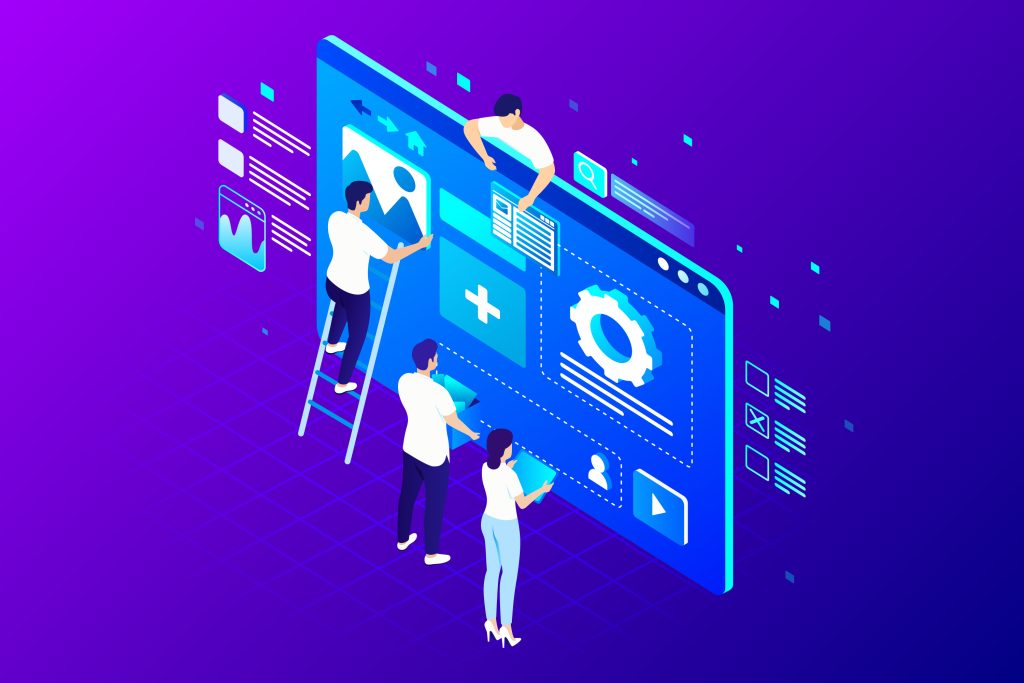
Web Development Services refer to the end-to-end process of designing, building, deploying, and maintaining websites or web applications. For a deeper understanding of the fundamentals of web development, you can explore web development basics from MDN Web Docs. These services are essential for businesses that want to establish a strong digital presence and deliver seamless user experiences.
Web Development Services typically include:
- Frontend development (what users see)
- Backend development (server-side logic)
- UI/UX design
- Database management
- API integrations
- Website maintenance & optimization
In simple terms, Web Development Services turn business ideas into fully functional, scalable, and secure digital products that operate efficiently across devices and platforms.
Modern Web Development Services also focus heavily on performance optimization, mobile responsiveness, and search engine visibility to ensure long-term success.
Types of Web Development Services
Businesses today require different types of web solutions depending on their goals, scale, and technical requirements. Understanding the key categories of web development helps you choose the right approach for building a strong digital presence.
1. Custom Website Development
Custom website development focuses on building fully tailored digital solutions from the ground up. Instead of using pre-built templates, everything is designed and developed based on specific business requirements.
This approach is ideal for businesses that need unique functionality, branding, or workflows that standard solutions cannot support.
Best suited for:
- Startups with unique product ideas
- Enterprises with complex operational processes
- Businesses requiring full control over design and functionality
Key benefits:
- Full flexibility in design and features
- High scalability for future growth
- Optimized performance tailored to specific needs
- Strong brand differentiation
Custom-built solutions allow businesses to create digital experiences that are fully aligned with their identity and long-term strategy.
2. Web Application Development
Web applications are dynamic, interactive systems designed to handle complex user interactions and real-time data processing. Unlike traditional websites, web apps function more like software platforms accessible through browsers.
Common examples include:
- Customer relationship management (CRM) systems
- Online booking and reservation platforms
- SaaS (Software-as-a-Service) products
- Internal business management tools
This type of development focuses heavily on functionality, system logic, and seamless user interaction. It is widely used by businesses that require automation, data handling, and scalable digital platforms.
3. E-commerce Development
E-commerce solutions are designed for businesses that sell products or services online. These platforms require a strong combination of usability, performance, and security to ensure smooth customer experiences.
Core features include:
- Product catalog and shopping cart systems
- Secure payment gateway integration
- Order and inventory management
- Mobile-friendly shopping experience
- Customer account and tracking systems
A well-developed e-commerce platform can significantly improve conversion rates, enhance customer satisfaction, and support business growth in competitive markets.
4. CMS-Based Development
CMS-based solutions are built using content management systems such as WordPress or headless CMS platforms. These systems allow businesses to manage and update content easily without requiring technical expertise.
Ideal for:
- Corporate websites
- Blogs and content-driven platforms
- Marketing websites with frequent updates
CMS-based development offers a balance between flexibility and ease of use, enabling marketing and content teams to maintain full control over website content.
5. Frontend Development
Frontend development focuses on everything users see and interact with directly in a browser. It plays a key role in shaping user experience, engagement, and overall perception of a website.
Common technologies include:
- HTML, CSS, JavaScript
- Frameworks such as React, Vue, and Angular
Modern frontend development emphasizes:
- Responsive design across devices
- Fast loading performance
- Smooth and intuitive user interfaces
- Accessibility and usability standards
A well-built frontend ensures that users can navigate and interact with the platform effortlessly.
6. Backend Development
Backend development handles the server-side logic, databases, and overall system architecture that power a website or application. It ensures that everything runs smoothly behind the scenes.
Common technologies include:
- Node.js, Python, PHP
- Java and .NET frameworks
- Database systems such as MySQL, PostgreSQL, and MongoDB
A strong backend system provides:
- High performance and stability
- Secure data handling and authentication
- Scalable architecture for future growth
- Reliable API and system integrations
Backend development is essential for ensuring that digital platforms remain secure, efficient, and capable of handling complex operations.
Why Businesses Invest in Web Development Services
Businesses today rely heavily on digital platforms to attract, engage, and retain customers. Investing in professional Web Development Services is no longer optional—it is a strategic decision that directly impacts brand growth, customer experience, and long-term competitiveness.
1. First Impressions Matter
Your website is often the first point of contact between your business and potential customers. Within seconds, users form an opinion about your brand based on design, speed, and usability.
A poorly designed or slow website can immediately reduce trust and lead to high bounce rates. On the other hand, a professionally built website created through Web Development Services helps establish credibility, professionalism, and brand authority from the very first interaction.
Strong first impressions are critical because they influence whether users stay, explore, or leave.
2. Scalability for Growth
As businesses grow, their digital systems must grow with them. One of the key advantages of Web Development Services is scalability—ensuring your platform can handle increasing traffic, new features, and complex workflows without performance issues.
A scalable architecture allows businesses to:
- Add new features without rebuilding the system
- Support increasing numbers of users and transactions
- Integrate with new tools and third-party services
- Expand into new markets or product lines
This flexibility ensures that your website remains relevant and efficient as your business evolves.
3. Better User Experience (UX)
User experience plays a major role in determining how effectively a website converts visitors into customers. High-quality Web Development Services focus on creating smooth, intuitive, and engaging user journeys.
This includes:
- Clear and logical navigation structures
- Fast page loading speeds
- Mobile-friendly and responsive design
- Minimal friction in user interactions
- Consistent and accessible interface design
A better user experience leads to higher engagement, longer session times, and improved conversion rates.
4. SEO & Visibility
Search engine visibility is essential for driving organic traffic, and Web Development Services play a direct role in SEO performance.
Well-developed websites typically include:
- Clean and structured code for better indexing
- Fast loading performance for improved ranking signals
- Mobile optimization for search compatibility
- Proper use of headings, metadata, and site structure
- Technical SEO improvements such as sitemaps and schema markup
When these technical foundations are properly implemented, businesses benefit from higher search rankings, increased visibility, and consistent organic traffic growth over time.
5. Security & Reliability
Security is a critical component of modern Web Development Services, especially as cyber threats continue to evolve. A secure website protects both business data and user information, ensuring trust and compliance.
Key security practices include:
- Secure authentication and authorization systems
- Data encryption for sensitive information
- Protection against common vulnerabilities (SQL injection, XSS, etc.)
- Secure API and third-party integrations
- Regular updates, monitoring, and patch management
In addition to security, reliability ensures that the website remains stable and accessible even under high traffic or unexpected conditions.
Key Technologies in Modern Web Development
Frontend
Modern Web Development Services rely on technologies such as:
- React.js
- Vue.js
- Angular
These frameworks enable fast and interactive user interfaces. Web Development Services using modern frontend stacks significantly improve UX performance. Additionally, Web Development Services often incorporate component-based architecture for scalability.
Backend
- Node.js
- Django
- Laravel
Backend Web Development Services ensure smooth server communication and database management.
Databases
- MySQL
- PostgreSQL
- MongoDB
Reliable Web Development Services depend on selecting the right database architecture.
Cloud & DevOps
- AWS
- Google Cloud
- Docker
Cloud-based Web Development Services enable scalability, automation, and global performance optimization.
Custom Development vs Template-Based Solutions
Web Development Services can be divided into custom and template-based approaches.
| Criteria | Custom Development | Template-Based |
|---|---|---|
| Flexibility | High | Limited |
| Cost | Higher upfront | Lower |
| Scalability | Excellent | Limited |
| Time to Launch | Longer | Faster |
Custom Web Development Services are ideal for long-term growth, while templates are suitable for quick launches.
How to Choose the Right Web Development Partner
Selecting the right provider of Web Development Services is a critical decision that directly impacts the success, scalability, and long-term performance of your digital product. A reliable partner not only builds your website or application but also contributes to your business growth through technical expertise, strategic thinking, and ongoing support.
1. Evaluate Experience
When choosing a development partner, experience should be one of the first factors to consider. A provider with a strong track record in delivering Web Development Services across multiple industries will have a better understanding of different business models, user expectations, and technical challenges.
Look for:
- Case studies and real project examples
- Experience with businesses similar to yours
- Ability to handle both simple and complex systems
An experienced team is more likely to anticipate risks early and deliver a stable, scalable product.
2. Check Technology Stack
The technology stack determines how modern, flexible, and scalable your product will be. A strong Web Development Services provider should be proficient in up-to-date frameworks, programming languages, and development tools.
Key things to assess:
- Frontend technologies (React, Vue, Angular, etc.)
- Backend systems (Node.js, Python, PHP, etc.)
- Database solutions (MySQL, PostgreSQL, MongoDB)
- Cloud and DevOps capabilities
Choosing a partner with a modern tech stack ensures better performance, security, and long-term maintainability.
3. Communication & Transparency
Effective communication is essential for any successful Web Development Services project. Miscommunication can lead to delays, misunderstandings, and unexpected costs.
A good partner should provide:
- Regular progress updates
- Clear project timelines and milestones
- Transparent reporting on tasks and issues
- Easy-to-reach project managers or support teams
Transparency builds trust and ensures that both sides stay aligned throughout the development process.
4. Post-Launch Support
Launching a website or application is not the end of the journey. Continuous maintenance is crucial to keep your system secure, updated, and optimized.
Reliable Web Development Services should include:
- Bug fixing and performance optimization
- Security updates and monitoring
- Feature enhancements based on user feedback
- Scalability support as traffic grows
A strong post-launch support system ensures your product continues to perform well in real-world conditions.
5. Pricing Model
Understanding the pricing structure helps you choose a partner that fits your budget and project scope. Most Web Development Services providers offer flexible engagement models:
- Fixed Price: Suitable for well-defined projects with clear requirements
- Hourly Rate: Best for small tasks or evolving requirements
- Dedicated Team: Ideal for long-term projects needing continuous development and scaling
Each model has its advantages, so the right choice depends on your timeline, complexity, and internal resources.
Web Development Process (Step-by-Step)
The process of delivering Web Development Services follows a structured workflow designed to ensure quality, scalability, and alignment with business goals. Each stage plays a critical role in transforming an idea into a fully functional digital product.
1. Discover
The first and most important stage of any Web Development Services project is discovery. This phase focuses on understanding the client’s business goals, target audience, technical requirements, and long-term expectations.
Key activities include:
- Requirement gathering and stakeholder interviews
- Defining project scope and objectives
- Competitor and market analysis
- Identifying user needs and core features
- Setting success metrics and KPIs
A strong discovery phase ensures clarity from the start and reduces risks throughout the project.
2. Architect
Based on discovery insights, we design a scalable and secure system architecture tailored to business needs.
Key activities include:
- Selecting the appropriate technology stack
- Designing system architecture and data flow
- Defining database structure and APIs
- Planning cloud infrastructure and deployment approach
- Ensuring scalability, security, and performance
This stage lays the technical foundation for a stable and future-ready product.
3. Develop & Integrate
In this phase, ideas and architecture are transformed into a working product.
Key activities include:
- Frontend development (UI implementation)
- Backend development (logic, APIs, database)
- CMS setup and configuration
- Third-party integrations (CRM, ERP, payment, analytics)
- Version control and code management
This step focuses on building a functional, efficient, and maintainable system.
4. Test & Deploy
Before launch, the system is fully tested and prepared for production.
Key activities include:
- Functional and usability testing
- Performance and load testing
- Security testing and validation
- Bug fixing and optimization
- Deployment via CI/CD pipelines
This ensures a stable, secure, and smooth product launch.
5. Optimize & Scale
After launch, we continuously monitor and improve the system.
Key activities include:
- Performance monitoring and optimization
- User behavior analysis
- Security updates and maintenance
- Feature enhancements
- Scaling infrastructure based on growth
This phase ensures long-term stability and business growth.
Trends in Web Development (2026)
Modern Web Development Services are evolving rapidly with new trends:
- AI-powered web applications
- Progressive Web Apps (PWA)
- Headless architecture
- Voice search optimization
- Low-code platforms
These innovations are reshaping how Web Development Services are delivered globally.
Conclusion
Web Development Services are no longer optional—they are a strategic investment for any business operating in the digital era.
A well-executed Web Development Services strategy helps businesses improve branding, increase conversions, and scale efficiently. In fact, Web Development Services have become the foundation of modern digital transformation strategies.
Choosing the right approach to Web Development Services will directly determine long-term success in an increasingly competitive online market
Relipa Software
Relipa Co., Ltd. is a Vietnam-based software development company established in April 2016. After two years of growth, our Japanese branch – Relipa Japan – was officially founded in July 2018.
We provide services in MVP development, web and mobile application development, and blockchain solutions. With a team of over 100 professional IT engineers and experienced project managers, Relipa has become a reliable partner for many enterprises and has successfully delivered more than 500 projects for startups and businesses worldwide.
