
Web design in 2026 is no longer just about visual appeal. It has evolved into a discipline that sits at the intersection of design, engineering, and user experience. Today, every digital product must not only look good but also perform efficiently, scale seamlessly, and deliver meaningful interactions.
For any modern web development agency, design is deeply connected to development. A website is no longer a static interface—it is a dynamic system powered by data, frameworks, and performance optimization strategies. This means that design decisions must be made with technical awareness from the very beginning.
As user expectations continue to rise, businesses increasingly rely on a web development agency to build platforms that are fast, responsive, and intuitive. A slow-loading or poorly structured website can directly impact conversion rates, SEO rankings, and overall brand perception.
This is why the line between design and development has blurred. A skilled web development agency understands that UI/UX, frontend architecture, and performance engineering must work together to create a successful digital experience.
The Evolution of Web Design in the Context of Web Development
Web design has undergone a significant transformation over the past decade. In its early stages, websites were static and rigid, offering limited interaction and minimal flexibility. As mobile usage grew, responsive design became the standard, forcing teams to rethink layouts and user flows.
The next major shift came with the rise of modern frontend technologies. Frameworks like React and Vue turned websites into interactive applications, requiring a more structured and component-based approach. At this stage, every web development agency had to adapt to a new way of building interfaces—one that emphasized modularity and scalability.
This evolution introduced new challenges. Designers now need to consider how components behave across different states, while developers must ensure that these components perform efficiently across devices. The collaboration between design and development has become essential.
Another important factor shaping this evolution is performance. Metrics such as Core Web Vitals have made speed, responsiveness, and visual stability critical success factors. Any web development agency that fails to optimize these aspects risks losing both traffic and user trust.
By 2026, web design is no longer page-based—it is system-based. It exists within a broader ecosystem where design, code, and data interact continuously.
Performance, UX, and System Thinking: The Foundation of Modern Design
Modern web design is guided by a balance between performance, usability, and scalability. These three pillars define how digital experiences are created and maintained.
Performance is a non-negotiable factor. Users expect instant loading times and smooth interactions, regardless of device or network conditions. Designers must now think beyond visuals and consider how their choices affect rendering speed, asset size, and overall efficiency. A well-structured system built by a web development agency ensures that even complex designs remain fast and responsive.
Usability remains the foundation of any successful interface. Clear navigation, readable typography, and intuitive interactions are essential. Even the most visually impressive website will fail if users struggle to understand how to use it. This is why a professional web development agency prioritizes user experience at every stage of the design process.
Scalability is what enables long-term growth. With the rise of design systems and reusable components, websites must be built in a way that allows them to expand without losing consistency. A forward-thinking web development agency focuses on creating systems that can evolve alongside the business.
Together, these principles shape how design trends are applied in 2026. Trends are no longer isolated visual experiments—they must align with performance, usability, and scalability.
Top 8 Web Design Trends in 2026
1. Glassmorphism
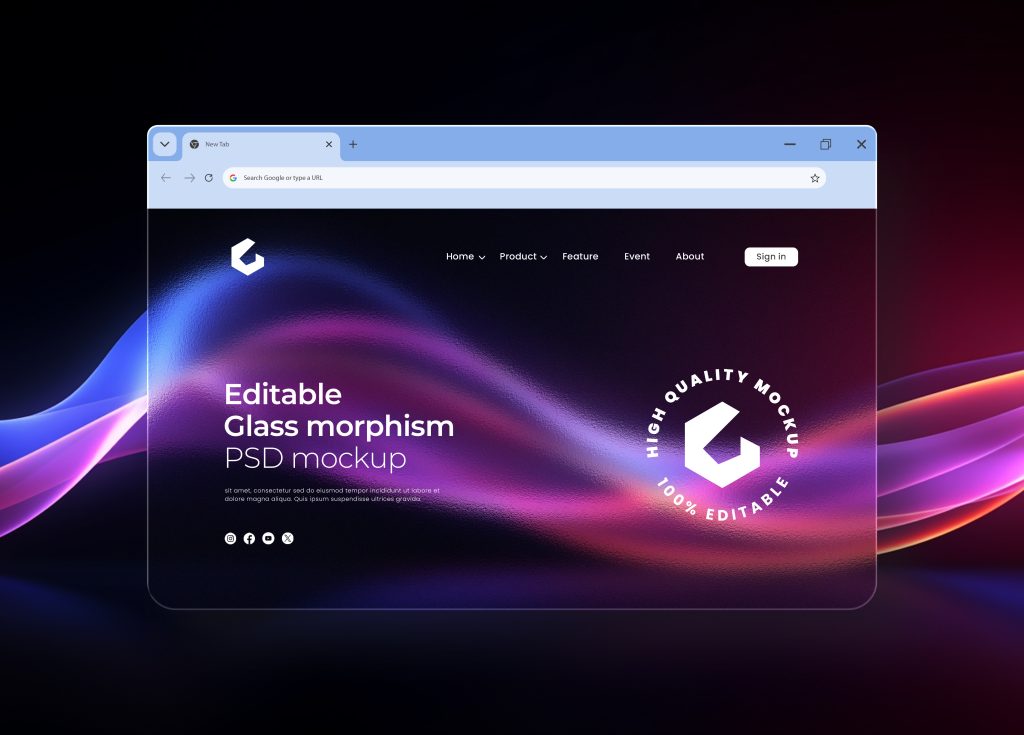
Glassmorphism continues to be a defining visual trend, characterized by transparency, blur effects, and soft shadows that create a sense of depth. While it first gained popularity as a stylistic choice, it has now evolved into a functional design element.
In 2026, Glassmorphism is used to establish hierarchy and guide user attention. Instead of acting as decoration, it helps separate layers of content and improve clarity. A thoughtful web development agency integrates this effect into a broader design system, ensuring consistency across the interface.
From a technical perspective, Glassmorphism relies on properties such as backdrop filters, which can impact performance if not optimized. This requires close collaboration between designers and developers to ensure smooth rendering across devices.
Accessibility is another important consideration. Transparent layers can reduce contrast, making text harder to read. To address this, designers often combine Glassmorphism with solid or gradient backgrounds. When applied carefully, it enhances both aesthetics and usability without compromising performance
2. Interactive 3D
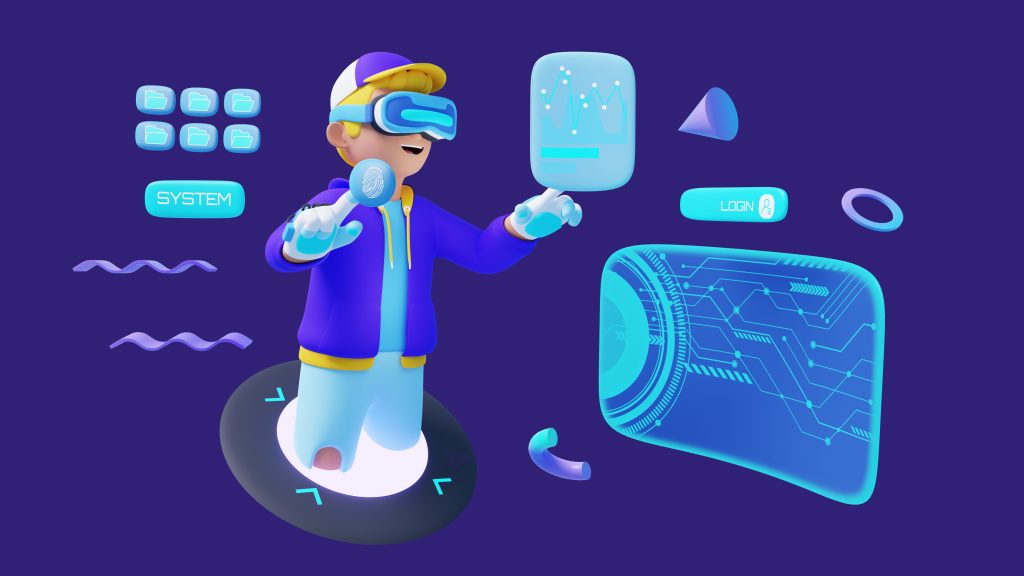
Interactive 3D is no longer just a visual enhancement—it is becoming a functional part of user experience. Users can now interact with products, environments, and concepts directly within the browser, creating a more immersive experience.
This trend is particularly valuable in industries such as e-commerce and real estate, where spatial understanding plays a key role. A product that can be explored in 3D provides a deeper level of engagement than static images.
The advancement of technologies like WebGL and WebGPU has made this possible. These tools allow developers to render complex graphics efficiently, while libraries simplify the implementation process. A capable web development agency leverages these technologies to create seamless and interactive experiences.
However, performance remains a critical challenge. Heavy 3D assets can slow down a website if not optimized properly. This is why modern implementations focus on efficiency and purpose. Interactive 3D should enhance decision-making, not distract users.
3. Illustration
Illustration has become a powerful tool for creating distinctive digital experiences. By using custom visuals instead of generic images, brands can communicate their identity more effectively.
In 2026, illustration is widely used for storytelling. It helps simplify complex ideas and makes content more engaging. For example, a well-designed illustration can explain a product feature faster than a paragraph of text.
From a technical standpoint, illustrations are often implemented using scalable formats such as SVG. This ensures that they remain lightweight and responsive across devices. A skilled web development agency ensures that visual elements do not negatively impact performance.
Balance is essential when using illustration. Too many visual elements can overwhelm users and reduce clarity. When used strategically, illustration enhances both usability and brand recognition.
4. Parallax Scrolling
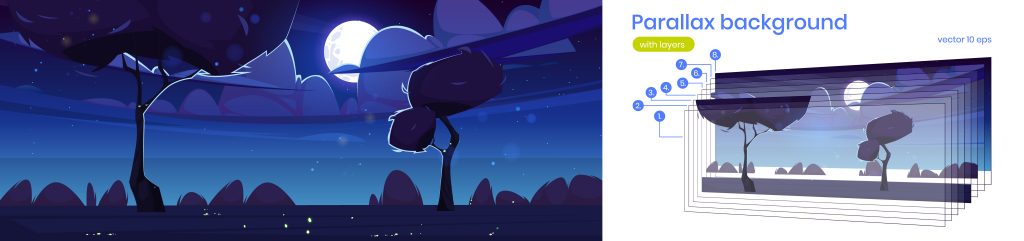
Parallax scrolling introduces motion and depth by moving elements at different speeds as users scroll. This creates a dynamic experience that can make content more engaging.
In earlier years, parallax was often overused for dramatic effects. In 2026, the approach is much more refined. Designers use subtle movements to guide attention and create a smooth flow between sections.
From a development perspective, implementing parallax requires careful optimization. Scroll-based animations can be resource-intensive, especially on mobile devices. A reliable web development agency ensures that these effects are lightweight and do not disrupt performance.
When used correctly, parallax enhances storytelling and creates a sense of continuity. When overused, it can become distracting and negatively impact user experience.
5. Retro Design
Retro design brings elements of the past into modern digital experiences. It uses nostalgic visuals such as vintage typography, classic color palettes, and stylistic references to earlier eras.
What makes retro appealing in 2026 is its ability to create emotional connections. In a digital landscape filled with minimalistic designs, retro offers a unique and memorable alternative.
However, modern retro is not about copying the past. It is about reinterpreting it in a way that aligns with current usability standards. A thoughtful web development agency ensures that nostalgic elements do not compromise clarity or functionality.
The key to success lies in balance. Retro design should add personality without overwhelming the interface. When done right, it creates a distinctive and engaging user experience.
6. Oversized Text
Oversized typography is used to create strong visual impact and communicate key messages instantly. It allows users to understand the purpose of a website at a glance.
This approach is particularly effective in hero sections, where first impressions matter most. Large text can quickly capture attention and establish brand identity.
From a technical standpoint, implementing oversized text requires responsive scaling and careful layout planning. Text must adapt to different screen sizes without causing layout shifts. A professional web development agency ensures that typography remains consistent and readable across devices.
While oversized text is powerful, it must be used with restraint. Too much large text can overwhelm users and reduce readability. Strategic placement is essential for maintaining balance.
7. Bento Grid Layout
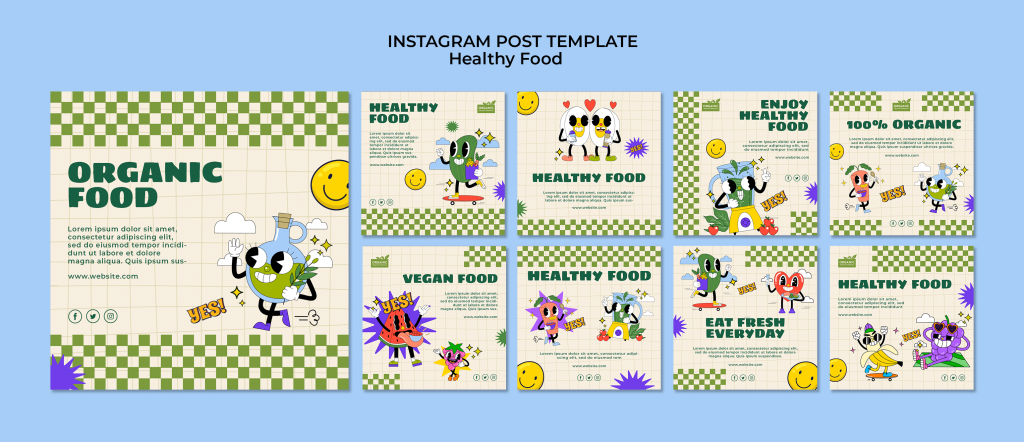
Bento Grid layout organizes content into structured blocks, creating a clean and modular interface. Inspired by the compartmentalized design of bento boxes, it emphasizes clarity and organization.
This layout is particularly effective for content-heavy pages, where users need to scan information quickly. By breaking content into smaller sections, it becomes easier to navigate and understand.
From a development perspective, Bento Grid is typically implemented using modern layout systems such as CSS Grid. This allows for precise control over spacing and alignment. A well-structured system built by a web development agency ensures consistency across the interface.
However, the effectiveness of this layout depends on proper hierarchy. Without careful planning, the interface can feel fragmented. Designers must ensure that each block contributes to a cohesive user experience.
8. Abstract Animation
Animation in 2026 is subtle and purposeful. Instead of large, attention-grabbing effects, designers focus on small interactions that enhance usability.
These micro-interactions provide feedback, guide user behavior, and create a sense of continuity. For example, a button that responds to a hover action helps users understand that it is clickable.
From a technical perspective, performance is critical. Animations must be lightweight and optimized to ensure smooth rendering. A modern web development agency uses efficient techniques to deliver seamless interactions without affecting speed.
The goal of animation is not to impress but to support the user experience. When done correctly, it becomes an invisible yet essential part of the interface.
How Designers and Developers Should Adapt in 2026
As web design continues to evolve, collaboration between designers and developers becomes increasingly important. The complexity of modern websites requires a unified approach where both roles contribute to the overall experience.
A successful web development agency focuses on building systems rather than isolated pages. This includes creating reusable components, maintaining consistency, and ensuring scalability.
At the same time, teams must prioritize performance and user experience. Trends should be applied thoughtfully, with a clear understanding of their impact on usability and technical implementation.
Continuous testing and optimization are also essential. By analyzing user behavior and performance data, teams can refine their designs and improve outcomes over time. For a deeper understanding of modern standards, you can learn more about frontend technologies at MDN Web Docs.
Conclusion
Web design trends in 2026 reflect a deeper integration between creativity and technology. The most effective digital experiences are those that balance aesthetics with performance and usability.
Each trend—from Glassmorphism to Abstract Animation—offers unique opportunities to enhance user experience. However, their success depends on thoughtful implementation and alignment with broader design principles.
For businesses, working with a capable web development agency is key to navigating this evolving landscape. By combining design expertise with technical precision, organizations can create websites that are not only visually compelling but also efficient, scalable, and impactful.
Relipa Software
Relipa Co., Ltd. is a Vietnam-based software development company established in April 2016. After two years of growth, our Japanese branch – Relipa Japan – was officially founded in July 2018.
We provide services in MVP development, web and mobile application development, and blockchain solutions. With a team of over 100 professional IT engineers and experienced project managers, Relipa has become a reliable partner for many enterprises and has successfully delivered more than 500 projects for startups and businesses worldwide.
