
In today’s digital ecosystem, Web APIs have become a foundational element of modern software development. As businesses continue to digitize operations and expand their online services, the demand for efficient system integration is growing rapidly. This is where Web APIs—and increasingly, it outsourcing service providers—play a critical role.
Many developers consider Web APIs one of the most powerful tools for web programming due to their flexibility, scalability, and ability to connect different systems seamlessly. At the same time, organizations are relying on it outsourcing service providers to design, implement, and maintain these APIs efficiently without overburdening internal teams.
In this article, we will explore the definition, types, characteristics, and use cases of Web APIs. We will also examine how businesses leverage it outsourcing service providers to maximize the value of API-driven architectures in real-world scenarios.
What is Web API?
A Web API is a type of application programming interface that operates over web protocols such as HTTP and HTTPS. It enables communication between different software systems, allowing them to exchange data and functionality seamlessly.

In simple terms, an API acts as a bridge that allows one application to access certain features or data from another application. When this interaction happens over the web, it is referred to as a Web API.
Today, many organizations expose their APIs publicly to encourage integration and innovation. For example, banking applications use Web APIs to allow users to check account balances or transaction histories within third-party apps. Similarly, authentication services use APIs to enable SMS-based verification.
As the demand for such integrations grows, many businesses collaborate with it outsourcing service providers to build secure, scalable, and efficient Web APIs. These providers help companies accelerate development timelines while ensuring high performance and reliability.
With the evolution of IT infrastructure, Web APIs are no longer optional—they are essential components of digital ecosystems. This is why it outsourcing service providers are increasingly involved in API strategy, development, and maintenance.To better understand how Web APIs work in real-world applications, you can refer to official documentation from trusted sources such as Mozilla Developer Network.
Differences Between APIs and Web APIs
While APIs and Web APIs share the same core purpose, their implementation differs significantly. APIs can exist in various forms, including libraries and frameworks, while Web APIs specifically rely on web-based communication protocols.
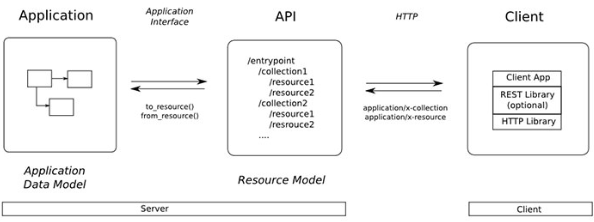
When a client application wants to use a function from another system, it sends a request to the server hosting the API. The server processes the request and returns a response containing the requested data or functionality.
The defining feature of Web APIs is their use of HTTP/HTTPS, which allows communication across different platforms and programming languages. This makes Web APIs highly versatile and widely adopted in modern software development.
Organizations often partner with it outsourcing service providers to handle cross-platform integration challenges. These providers ensure that Web APIs function seamlessly across different environments, reducing compatibility issues and improving system efficiency.
Additionally, Web APIs support real-time data updates and automation, making them ideal for dynamic applications. This flexibility is one of the reasons why businesses increasingly rely on it outsourcing service providers to implement API-driven solutions at scale.
Types of Web APIs
It is also important to understand the terms REST API, RESTful API, and SOAP API as they relate to Web API. These refer to the method of communication used to implement the Web API.
SOAP API
SOAP (Simple Object Access Protocol) is a protocol that uses XML for message formatting and relies on HTTP for communication. It was widely used in the early days of Web API development due to its strict standards and security features.
However, SOAP APIs are often considered complex and resource-intensive. As a result, many organizations now prefer modern alternatives. Still, some enterprises continue to use SOAP for legacy systems, often with the support of it outsourcing service providers who specialize in maintaining older infrastructures.
REST API
REST (Representational State Transfer) is a design style that uses standard HTTP methods such as GET, POST, PUT, and DELETE. It is lightweight, flexible, and easy to implement, making it the most popular choice for modern Web APIs.
REST APIs enable efficient data exchange and are widely used in web and mobile applications. Many businesses collaborate with it outsourcing service providers to design RESTful architectures that are scalable and easy to maintain.
By leveraging the expertise of it outsourcing service providers, companies can ensure that their APIs follow best practices, improving performance and long-term sustainability.
- GET (SELECT): Returns a Resource or a list of Resources.
- POST (CREATE): Create a new Resource.
- PUT (UPDATE): Update information for Resource.
- DELETE (DELETE): Delete a Resource.
Features of Web API
Web APIs offer a wide range of features that make them indispensable in modern software development.
They support RESTful operations, enabling efficient communication between systems. Additionally, Web APIs include features such as URI routing, request/response handling, caching, versioning, and content formatting.
These capabilities allow businesses to automate workflows, improve data management, and enhance user experiences.
For organizations lacking in-house expertise, it outsourcing service providers play a vital role in implementing these features effectively. They ensure that APIs are optimized for performance, security, and scalability.
Another key advantage is real-time data processing. Web APIs enable instant updates, allowing businesses to respond quickly to changing conditions. This is particularly valuable in industries such as finance, healthcare, and e-commerce, where real-time data is critical.
With the support of it outsourcing service providers, companies can fully leverage these features while minimizing risks and operational complexity.
Advantages and Disadvantages of Web API
Like any technology, Web APIs have both benefits and challenges.
Advantages
Web APIs offer flexible integration, allowing different systems to communicate seamlessly. This enables businesses to create interconnected ecosystems that enhance efficiency and collaboration.
They also promote reusability, as developers can use existing APIs across multiple projects. This reduces development time and costs significantly.
Scalability is another major advantage. Web APIs allow businesses to expand their systems by integrating new services without disrupting existing operations.
To fully realize these benefits, many companies rely on it outsourcing service providers. These providers bring specialized expertise and ensure that API implementations align with business goals.
Disadvantages
Despite their advantages, Web APIs also present certain challenges.
Security is a major concern, as exposing APIs can increase the risk of unauthorized access and data breaches. Proper security measures must be implemented to mitigate these risks.
Version control is another challenge. As APIs evolve, maintaining compatibility with older systems can become complex.
Additionally, Web APIs depend on network connectivity. Any disruptions can affect performance and availability.
To address these issues, businesses often work with it outsourcing service providers who have experience in managing API security, versioning, and reliability.
The Role of Web APIs
Web APIs play a crucial role in connecting systems, enabling seamless data exchange, and driving innovation across digital ecosystems. In an era where businesses rely heavily on interconnected platforms, Web APIs act as the backbone that allows different applications, services, and devices to communicate efficiently.
Beyond technical integration, Web APIs also open up new business opportunities by enabling companies to expand their service offerings, improve operational efficiency, and create more personalized user experiences. To fully leverage these benefits, many organizations collaborate with it outsourcing service providers who bring the technical expertise and scalability needed to implement and manage API-driven systems effectively.
Help Develop New Features and Services
By leveraging existing APIs, businesses can significantly accelerate the development of new features and services. Instead of building every component from scratch, organizations can integrate pre-built functionalities such as payment processing, authentication, mapping, or analytics into their applications.
This approach not only reduces development time but also minimizes costs and resource requirements. Internal teams can focus on core business logic while relying on external APIs for supporting functionalities.
In practice, many organizations work closely with it outsourcing service providers to streamline this process. These providers help identify suitable APIs, handle integration, and ensure that the overall system architecture remains scalable and maintainable. As a result, companies can bring new products to market faster while maintaining high quality and performance standards.
Additionally, API-driven development encourages innovation by allowing businesses to experiment with new ideas quickly. With the support of experienced it outsourcing service providers, companies can prototype, test, and deploy new services with greater agility.
Provide a Better Customer Experience
One of the most significant advantages of Web APIs is their ability to enhance customer experience. APIs enable seamless interactions within applications, allowing users to complete tasks efficiently without switching between multiple platforms.
For example, payment APIs allow customers to complete transactions directly within an e-commerce website, reducing friction and improving conversion rates. Similarly, media and content APIs enable the integration of videos, maps, and social feeds, creating a richer and more engaging user experience.
To ensure these integrations are smooth and secure, businesses often rely on it outsourcing service providers. These experts optimize API performance, manage data flow, and implement security protocols to protect user information.
Moreover, Web APIs support real-time data updates, which are essential for delivering responsive and personalized experiences. Whether it’s real-time order tracking, dynamic pricing, or instant notifications, APIs enable businesses to meet modern user expectations. With the help of it outsourcing service providers, organizations can continuously refine and enhance these experiences at scale.
Increase The Number of Users of Your Service
Web APIs also play a key role in expanding a company’s user base. By integrating APIs, businesses can extend their services to new platforms, applications, and partner ecosystems. This increased accessibility helps attract a broader audience and drive user growth.
For API providers, exposing their services publicly creates opportunities to reach users beyond their own platforms. Third-party developers can build applications that leverage these APIs, effectively promoting the provider’s services to new markets.
Scaling such integrations, however, requires careful planning and technical expertise. This is where it outsourcing service providers become invaluable. They help businesses manage large-scale API deployments, ensure system stability, and optimize performance as user demand grows.
By leveraging the capabilities of it outsourcing service providers, organizations can expand their reach more efficiently while maintaining a high level of service quality.
Popular Use Cases of Web API
Web APIs are widely used across various industries, enabling businesses to deliver advanced functionalities and improve user engagement.
For example, Google Maps API enables location-based services such as navigation, route planning, and location tracking. Amazon APIs provide access to product data, inventory, and e-commerce functionalities, supporting both sellers and affiliates. YouTube APIs allow developers to integrate video content and analytics into their platforms, while Twitter APIs enable social media interactions such as posting, following, and data analysis. PayPal APIs facilitate secure online payments, making them essential for e-commerce platforms.
These use cases demonstrate how APIs can enhance functionality and create value across different sectors. However, integrating and managing multiple APIs can be complex. Many companies therefore rely on it outsourcing service providers to handle integration, ensure compatibility, and maintain system performance.
By partnering with experienced it outsourcing service providers, businesses can fully leverage these APIs while minimizing technical challenges and operational risks.
Google Map API
Google Maps API is a Web API that allows you to embed Google Maps functions on your website. Users who visit the website can operate as if they were connected to Google Maps, such as checking the map of the area around their destination and zooming in/out of the map.
Amazon API
Amazon APIs are two types of Web APIs that have functions for obtaining Amazon product information. The “Amazon MWS API” for professional sellers allows you to manage information related to procedures such as delivery and shipping. In addition, the “Amazon Product Advertising API” for affiliates has a function that allows real-time reference of product information such as price, inventory, and reviews.
YouTube API
YouTube API is a Web API that allows you to obtain information related to YouTube, and three types are available. “YouTube Data API” that can obtain YouTube video information, “YouTube Analytics and Reporting API” that can analyze videos, and “YouTube Player API” that can display playback players on websites.
Twitter API
The Twitter API will be able to perform the same operations as the Twitter app, such as posting content, following, and liking. In addition, it is also possible to have more functions than the Twitter app, such as automatic posting.
PayPal API
PayPal API is a web service that allows you to easily make payments from websites and blogs.
It is often used in EC shops because it allows you to call up the information registered in your PayPal account and make a payment without changing the screen.
In addition to this, many Web APIs, such as weather forecasts and transit information, have been released.
How to Use Web API
Using a Web API typically involves several key steps, which may vary depending on the specific API but generally follow a similar process.
First, businesses need to register for the API through the provider’s platform. This often requires creating an account and agreeing to usage terms. Next, developers obtain API keys and secrets, which serve as authentication credentials. These keys must be securely stored and managed to prevent unauthorized access.
After obtaining credentials, the API is configured within the application or system. This includes setting up endpoints, defining request parameters, and establishing authentication mechanisms. Developers then implement API calls based on the documentation provided, ensuring that requests and responses are handled correctly.
While these steps may seem straightforward, proper implementation requires technical expertise. Many organizations choose to work with it outsourcing service providers to ensure that APIs are integrated securely and efficiently. These providers also offer ongoing support, monitoring, and optimization to maintain system performance over time.
By leveraging it outsourcing service providers, businesses can reduce implementation risks and focus on delivering value to their users.
Utilization of Web API in Website Design
Web API is now used by many programmers to design websites. Below are the web design web API utilizations.
- Optimization of Search Tools
Common search tools can return fragmented and inconsistent data. This makes it difficult for users to find the content and information they want.
Website designers are using Web APIs to optimize their search tools. Web API allows you to narrow down and search for information with high accuracy. This will improve the user’s website experience.
- Social Media Integration
Web API can be integrated with popular social media such as Facebook, Instagram, and Twitter.
Web APIs make it easy for websites and social media to exchange data. Users can interact with social media apps as normal without leaving the website.
- E-commerce Website Construction
Web API not only contributes to improving user experience but also supports building online sales websites.
Many of today’s large-scale e-commerce websites have huge traffic and multi-tiered service offerings. Web API offers a lot of support through simple and automated capabilities. Web APIs make it easy to leverage existing technologies embedded within applications to build large-scale systems.
Summary
Web APIs are a fundamental component of modern web development, enabling seamless communication between systems and improving scalability. They allow businesses to integrate diverse functionalities, enhance user experiences, and accelerate innovation.
While the benefits of Web APIs are substantial, challenges such as security, version control, and system complexity must be carefully managed. This is why many organizations choose to partner with it outsourcing service providers.
These providers offer the expertise needed to design, implement, and maintain robust API systems, ensuring optimal performance and security. By working with it outsourcing service providers, businesses can overcome technical challenges, reduce operational costs, and focus on their core objectives.
As digital transformation continues to evolve, the importance of Web APIs will only increase. Organizations that effectively leverage APIs—alongside the capabilities of it outsourcing service providers—will be better positioned to innovate, scale, and succeed in an increasingly competitive digital landscape.
