
In today’s digital economy, trust, transparency, and efficiency are no longer competitive advantages—they are operational requirements. As enterprises navigate complex global supply chains, regulatory pressures, and digital disruption, blockchain technology has emerged as a foundational infrastructure layer for modern business ecosystems.
Partnering with a blockchain development company enables organizations to move beyond experimentation and deploy scalable, secure, and business-aligned decentralized solutions. Rather than viewing blockchain as a trend, forward-thinking leaders now approach it as a strategic investment in operational resilience and long-term innovation.
This guide explains what a blockchain development company does, how it delivers measurable business value, and why selecting the right partner is critical for enterprise success.

What Is a Blockchain Development Company?
A blockchain development company is a specialized technology partner that designs, builds, and maintains blockchain-based systems for enterprises, startups, and consortium networks. Unlike general software vendors, these firms possess deep expertise in distributed ledger architecture, cryptography, smart contracts, and decentralized application (dApp) ecosystems.
Their services typically include:
-
Enterprise blockchain consulting
-
Smart contract development and auditing
-
Custom blockchain protocol development
-
dApp development
-
Integration with legacy systems
-
Tokenization and digital asset solutions
-
Ongoing maintenance and governance support
For B2B organizations, working with a blockchain development company reduces technical risk while accelerating time-to-market for decentralized initiatives.
Why Enterprises Are Turning to Blockchain
Blockchain adoption in enterprise environments is driven by three core needs:
1. Shared Trust Across Multiple Parties
Traditional systems rely on centralized databases controlled by a single entity. In multi-party environments—such as supply chains, trade finance, or healthcare—this often leads to reconciliation delays and trust disputes.
According to the World Economic Forum, blockchain could store up to 10% of global GDP in the coming decade.Blockchain introduces a shared ledger accessible to authorized participants, eliminating duplication and improving transparency.
2. Process Automation
Smart contracts automate agreements once predefined conditions are met. This reduces manual intervention, lowers operational costs, and minimizes fraud risks.
3. Data Integrity and Auditability
Immutability ensures that records cannot be altered retroactively without consensus, making blockchain particularly valuable in regulated industries.
However, achieving these benefits requires technical precision—something only an experienced blockchain development company can deliver.
Read more : Enterprise Blockchain Solutions: History & Evolution
Core Services Offered by a Blockchain Development Company
Enterprise Blockchain Architecture
Designing a blockchain solution is not simply about choosing Ethereum or Hyperledger. It involves evaluating:
-
Public vs. private vs. consortium models
-
Consensus mechanisms
-
Scalability requirements
-
Governance frameworks
-
Compliance obligations
A qualified blockchain development company aligns technical architecture with business strategy, ensuring performance and regulatory compatibility.
Smart Contract Development and Security
Smart contracts automate business logic—but flawed code can result in severe financial losses.
A professional blockchain development company implements:
-
Secure coding practices
-
Multi-layer testing
-
Third-party audits
-
Gas optimization
-
Upgradeable contract patterns
Security-first development is non-negotiable in enterprise blockchain deployments.
Custom dApp Development
Decentralized applications combine user-friendly interfaces with blockchain-powered backend logic.
A blockchain development company ensures seamless integration between:
-
Frontend frameworks (React, Angular, Vue)
-
Web3 libraries (Ethers.js, Web3.js)
-
Wallet integrations
-
Node infrastructure
-
API layers
For B2B use cases, usability is just as important as technical robustness.
Blockchain Integration with Legacy Systems
Enterprises rarely operate in greenfield environments.
A blockchain development company bridges decentralized networks with:
-
ERP systems
-
CRM platforms
-
Cloud infrastructure
-
Payment gateways
-
Data warehouses
This hybrid integration approach ensures operational continuity while enabling innovation.
Industry Use Cases Driving Enterprise Adoption
Financial Services
Banks and fintech firms leverage blockchain for:
-
Cross-border payments
-
Trade finance digitization
-
Asset tokenization
-
Digital identity verification
A trusted blockchain development company helps financial institutions maintain compliance while modernizing infrastructure.
Supply Chain & Logistics
Blockchain enhances traceability and reduces fraud in global supply chains.
Enterprises collaborate with a blockchain development company to build permissioned networks that track goods from origin to delivery in real time.
Healthcare
Secure sharing of patient records across institutions improves coordination and reduces administrative burden.
In this context, a blockchain development company designs privacy-preserving architectures aligned with data protection regulations.
Energy & Sustainability
Blockchain supports peer-to-peer energy trading and carbon credit tracking.
Partnering with a blockchain development company ensures scalability and accurate environmental reporting.
Key Factors When Choosing a Blockchain Development Company
For B2B decision-makers, selecting a technology partner is not a tactical procurement decision—it is a long-term strategic investment. Blockchain initiatives often impact core infrastructure, data governance models, compliance frameworks, and cross-organizational collaboration. As such, choosing the right blockchain development company requires a comprehensive evaluation beyond technical capability alone.
Below are the critical criteria enterprises should assess before entering into a partnership.
1. Technical Expertise Across Ecosystems
Blockchain is not a monolithic technology stack. Different enterprise objectives require different architectures, consensus models, and platform ecosystems.
A qualified blockchain development company should demonstrate hands-on experience across:
-
Public networks (Ethereum, Polygon, Solana)
-
Permissioned frameworks (Hyperledger Fabric, Corda)
-
Layer 2 scaling solutions
-
Cross-chain interoperability protocols
-
Tokenization frameworks and smart contract standards
More importantly, technical expertise must extend beyond development. It should include architectural design, performance optimization, gas efficiency strategies, and infrastructure planning.
Enterprises should request case studies, technical documentation samples, and architectural diagrams to validate real-world deployment experience—not just theoretical knowledge.
2. Proven Security Track Record
Security is the defining factor in blockchain success. Unlike traditional systems, blockchain transactions are immutable. Errors or vulnerabilities in smart contracts can result in irreversible financial and reputational damage.
When evaluating a blockchain development company, organizations should assess:
-
History of third-party smart contract audits
-
Secure development lifecycle (SDLC) practices
-
Penetration testing procedures
-
Key management strategies
-
Incident response readiness
A mature blockchain partner integrates security at every stage—from code design to post-deployment monitoring. Enterprises operating in regulated industries such as finance or healthcare should also verify compliance alignment with relevant data protection standards.
Security is not an add-on feature; it is foundational infrastructure.
3. Industry-Specific Domain Knowledge
Blockchain implementation differs significantly across industries.
A solution designed for decentralized finance will not resemble one built for pharmaceutical supply chain tracking or energy certificate management.
An experienced blockchain development company understands:
-
Regulatory frameworks impacting the sector
-
Industry-specific workflows and data standards
-
Integration requirements with existing enterprise systems
-
Risk exposure unique to that vertical
For B2B organizations, domain fluency reduces implementation friction and shortens the learning curve. It also ensures that blockchain adoption solves real operational pain points rather than creating experimental complexity.
4. Scalability and Performance Strategy
Enterprise adoption demands production-grade performance. Pilot projects may function under limited transaction volume, but real-world deployment requires scalable infrastructure.
When assessing a blockchain development company, consider:
-
How the architecture handles high transaction throughput
-
Layer 2 or sidechain integration strategies
-
Load balancing and node management capabilities
-
Latency optimization mechanisms
-
Data storage strategies (on-chain vs. off-chain)
Scalability is not just about speed—it is about sustainability. The solution must remain cost-effective and performant as usage grows.
Enterprises should request performance benchmarks and stress-testing documentation before full-scale rollout.
5. Integration Capability with Legacy Infrastructure
Few enterprises operate in greenfield environments. Blockchain solutions must coexist with ERP systems, CRM platforms, identity management tools, cloud services, and internal databases.
A reliable blockchain development company demonstrates:
-
API architecture expertise
-
Middleware integration capabilities
-
Hybrid cloud deployment models
-
Data synchronization frameworks
-
Interoperability design patterns
Seamless integration reduces operational disruption and protects existing technology investments. Without it, blockchain projects risk becoming isolated silos rather than strategic enablers.
6. Governance and Compliance Framework
Enterprise blockchain systems require clear governance models. This includes:
-
Node ownership structure
-
Access control mechanisms
-
Upgrade and protocol change procedures
-
Dispute resolution models
-
Regulatory reporting alignment
A mature blockchain development company collaborates with legal and compliance teams to ensure operational clarity. Governance misalignment can undermine even technically sound implementations.
7. Long-Term Support and Evolution Strategy
Blockchain deployment is not a one-time project. It is an evolving ecosystem that requires continuous optimization, monitoring, and adaptation.
Enterprises should evaluate whether a blockchain development company offers:
-
Ongoing maintenance and monitoring services
-
Performance analytics and reporting
-
Upgrade management
-
Security patch deployment
-
Strategic roadmap advisory
Technology landscapes evolve rapidly. New scaling solutions, regulatory developments, and interoperability standards emerge regularly. A strategic partner anticipates these shifts and proactively guides clients through them.
8. Strategic Alignment and Innovation Mindset
Finally, enterprises must assess cultural and strategic alignment. The most successful partnerships are collaborative, not transactional.
A forward-thinking blockchain development company:
-
Understands business objectives beyond technical requirements
-
Provides consultative insight into emerging trends
-
Advises on ROI measurement and KPI alignment
-
Offers phased deployment strategies to reduce risk
Blockchain transformation requires executive-level alignment and cross-departmental coordination. A partner that can operate at both technical and strategic levels delivers exponentially greater value.
Challenges Enterprises Must Address
Despite its promise, blockchain implementation presents challenges:
-
Scalability limitations
-
Regulatory uncertainty
-
Integration complexity
-
Talent shortages
-
User adoption barriers
Working with an experienced blockchain development company mitigates these risks through structured deployment frameworks and phased rollouts.
The ROI of Enterprise Blockchain Investment
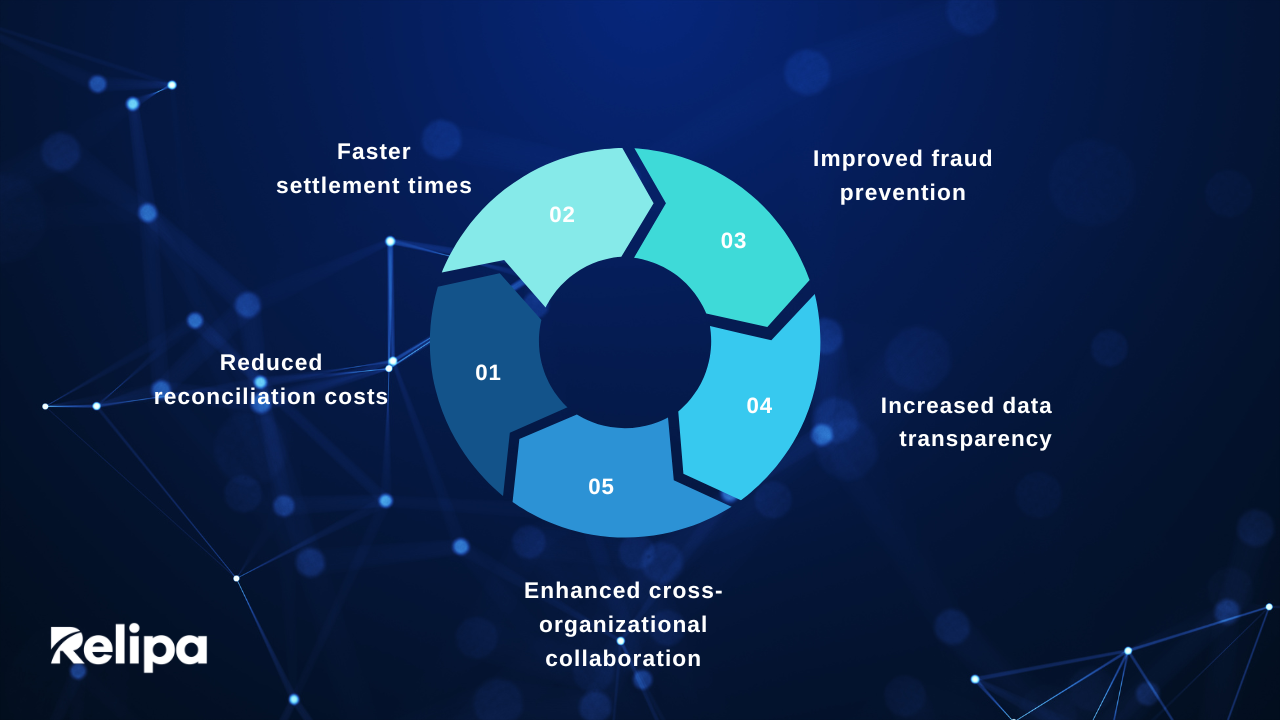
When strategically deployed, blockchain delivers measurable value:
-
Reduced reconciliation costs
-
Faster settlement times
-
Improved fraud prevention
-
Increased data transparency
-
Enhanced cross-organizational collaboration
A results-oriented blockchain development company defines KPIs early, ensuring ROI alignment with corporate objectives.
Future Outlook: Blockchain as Core Infrastructure
Enterprise blockchain is evolving from pilot programs to mission-critical infrastructure. Emerging trends include:
-
Layer 2 scaling solutions
-
Zero-knowledge proofs for privacy
-
Interoperability across chains
-
Tokenized real-world assets
-
Decentralized identity systems
Organizations that collaborate with a forward-thinking blockchain development company position themselves to capitalize on these advancements.
Conclusion
Blockchain is not a one-size-fits-all solution—but in ecosystems where trust, transparency, and automation are essential, it provides transformative potential.
For enterprises evaluating distributed ledger adoption, the most important step is choosing the right partner. A reliable blockchain development company combines technical excellence, industry insight, and security-first development to translate blockchain’s theoretical promise into tangible business outcomes.
In a rapidly evolving digital landscape, blockchain is becoming foundational infrastructure. The question for B2B leaders is no longer whether the technology matters—but how strategically they implement it. Partnering with the right blockchain development company ensures that transformation is deliberate, scalable, and sustainable.
